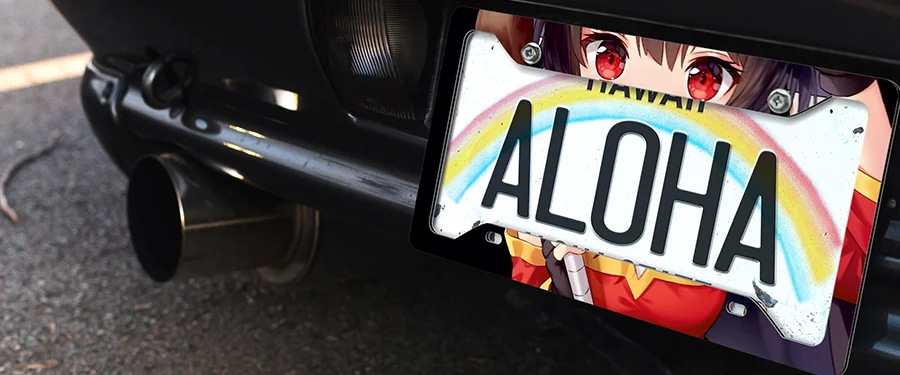
The intersection of art and automobiles has been a captivating and dynamic relationship for many decades. While the allure of a sleek and powerful car has always been undeniable, the art of car decorating has not received as much attention. One fascinating aspect of this relationship is the role of decals and stickers in this unique art form.
Roots. Establishment of the Vinyl Decals
Car enthusiasts have been personalizing their vehicles almost as long as automobiles have existed. Early car owners often added pinstriping, hand-painted designs, and even personalized slogans to their cars. This was typically done by skilled sign painters. Unfortunately, it was far too complicated, exclusive and expensive process to share this experience widely. Later, with advancements in printing technology, decals became more accessible and affordable. The 1950s and 1960s marked the heyday of decal-based car customization. Car manufacturers, as well as aftermarket companies, produced decals for various purposes, including racing stripes, company logos, and decorative accents. The 1970s and 1980s brought about a cultural shift in car customization. Muscle cars and hot rods became a canvas for self-expression. Decals and stickers of that period, like the legendary 1975-76 Pontiac hood bird decal, allowed enthusiasts to personalize their rides with unique graphics, pop culture references, and artistic designs. The introduction of adhesive vinyl technology in the mid-20th century revolutionized car decoration. Vinyl decals were more durable, versatile, and easier to apply than traditional water-slide decals or hand-painted designs. This led to a surge in their popularity.
To summarize, historically, decals and stickers became popular in the mid-20th century with the rise of automotive culture. They allowed car owners to personalize their vehicles, creating a sense of ownership and identity. Over the years, decals have evolved to cater to various tastes, trends, and cultural shifts, ensuring their enduring relevance in the world of car decoration.
A Look at Decals as Antique Artifacts
In recent years, the world of collecting has expanded to include decals as antique artifacts. Vintage car decals have become prized possessions for collectors and enthusiasts alike. These decals provide a glimpse into the past, reflecting the design and aesthetic sensibilities of their respective eras. Whether they feature bold, psychedelic patterns from the 1960s or minimalist designs from the 1980s, vintage decals evoke a sense of nostalgia and historical connection.
Some rare and well-preserved decals can command substantial prices in the collectors’ market, turning them into valuable pieces of art history. Collectors are drawn to the craftsmanship, the historical context, and the artistry of these small but captivating artifacts.
Influence of Motorsport on the Design of Stickers
The world of motorsport has played a significant role in shaping the design of stickers and decals for transportation. In this area, sponsorships are essential for teams and drivers to cover the high costs of racing. Sponsors provide financial support in exchange for promotional opportunities. One of the most prominent ways to promote sponsors was by displaying their logos and brand names on race cars. Decals became the ideal medium for showcasing these sponsorships. Racing decals were prominently placed on various parts of race cars, including the hood, doors, fenders, and rear quarter panels. This ensured maximum visibility both on and off the track. Large, colorful, and eye-catching decals were strategically positioned to capture the attention of fans, spectators, and photographers. This practice has influenced the design and usage of decals for commercial vehicles and individual car owners.

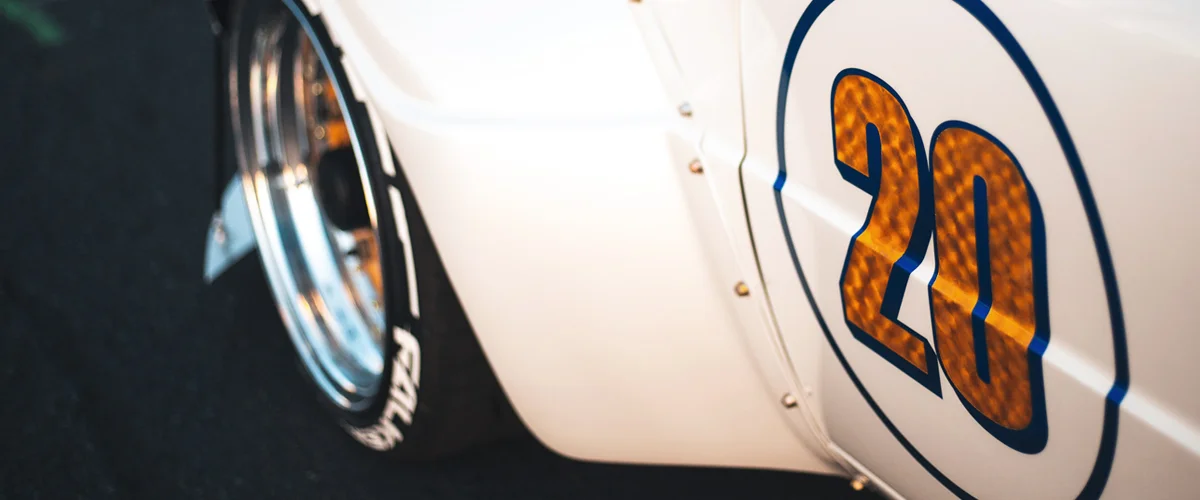
Racing decals also popularized the use of such iconic elements as racing numbers and racing stripes on cars. Every race car is assigned a unique racing number, which helps identify the vehicle during races. These racing numbers are typically displayed using decals on the doors, roof, or other parts of the car. Racing stripes, typically in contrasting colors, extended from the front to the rear of the vehicle. They were not only aesthetically pleasing but also practical, as they helped identify the car’s orientation on the track during high-speed races. Nowadays, the similar designs are commonly used in individual car builds both for authentic appearance and to honor the heritage of the racing industry. The visual impact of racing decals and the association with speed and performance influenced car enthusiasts to adopt similar decal designs on their street cars. This trend extended from racing stripes to custom graphics, further popularizing the use of decals for personalization.
The art of motorsport has also contributed to the development of emblematic decals, such as the Ferrari prancing horse or the Martini Racing stripes. These symbols have become iconic and are instantly recognizable worldwide. The dynamic and visually engaging nature of motorsport has inspired countless artists and designers to create striking and attention-grabbing decals, leading to the widespread adoption of these designs in car decorating.
Innovations in the Field of Car Decoration
The art of car decorating has continued to evolve, with innovations in materials and technology playing a pivotal role. Vinyl wraps, for instance, have replaced traditional decals in many cases, offering more flexibility and durability. These wraps can completely transform a car’s appearance, allowing for intricate and large-scale designs.
Furthermore, digital printing and customization have made it easier for car owners to create unique and personalized decals. With the rise of online marketplaces and print-on-demand services, individuals can easily design and order custom decals to suit their tastes and preferences.
Conclusion
In conclusion, the relationship between art and car decorating is a fascinating and ever-evolving one, with decals and stickers at the heart of this artistic fusion. These vinyl pieces of art have a profound significance in both personal expression and the broader context of the automotive world. From their role as antique artifacts to their influence from the world of motorsport, and the continuous innovations in car decoration, decals continue to inspire and shape the art of personalizing and beautifying automobiles. As the art of car decorating continues to evolve, one thing remains certain: the journey of artistic expression on wheels is far from over, and decals will undoubtedly play a significant part in its future.