Otaku culture, rooted in Japan but now a global phenomenon, has evolved and expanded over the years. This post delves into the essence of Otaku culture, its historical origins, and its contemporary manifestations. One unique aspect that has gained traction within Otaku culture is the use of car stickers, providing fans a platform to express their passion.
What is Otaku Culture? Historical Origins
The term “Otaku” is a Japanese word that has a complex and debated history. Originally it had a negative meaning but has evolved and been adopted by enthusiasts. The exact origin of the word “Otaku” is debated, but it is believed to have emerged in the early 1980s in Japan. The word was used to describe people who were perceived as obsessive fans of niche or geeky interests, often to the detriment of their social lives or personal development.
The negative connotation of “otaku” was influenced by high-profile criminal cases involving individuals who were identified as reclusive and obsessively interested in subjects like anime and video games. These individuals were portrayed in a negative light by the media and society. The word took on a more negative way during the 1980s when an infamous murder case involving a man named Tsutomu Miyazaki was widely reported in the media. Miyazaki, who was known to be a collector of anime and manga, was dubbed the “Otaku Murderer,” leading to a negative perception of Otaku.
Over time, however, the term “otaku” was reclaimed by fans and enthusiasts of anime, manga, video games, and related subcultures. It underwent a transformation from a derogatory term to one that denotes a deep passion and dedication to these interests.
Today, “otaku” refers to a subculture that centers around a deep and passionate interest in anime, manga, video games, and other forms of Japanese pop culture and may engage in related activities like cosplay, attending conventions, collecting merchandise. Otaku are enthusiasts who often immerse themselves in their hobbies and form communities to discuss their interests.
The “Founder” of Otaku Culture
While it’s difficult to pinpoint a single founder of Otaku culture, the term “Otaku” became more widely recognized through the efforts of Akio Nakamori. Nakamori was a writer who used the term in his columns to describe fans who had a deep passion for anime and manga. His writings helped to popularize the term and create a sense of community among these enthusiasts.
Key Aspects of Otaku Culture
- Anime and Manga Enthusiasm:
- Otaku are known for their deep love of anime, which refers to animated TV shows and movies, and manga, which are Japanese comics or graphic novels. Otaku often watch a wide range of anime series and read manga, becoming dedicated fans of both mediums.
- Video Games:
- Video games, especially Japanese role-playing games (JRPGs), are another significant component of Otaku culture. Many Otaku are avid gamers and follow game franchises closely.
- Collectibles and Merchandise:
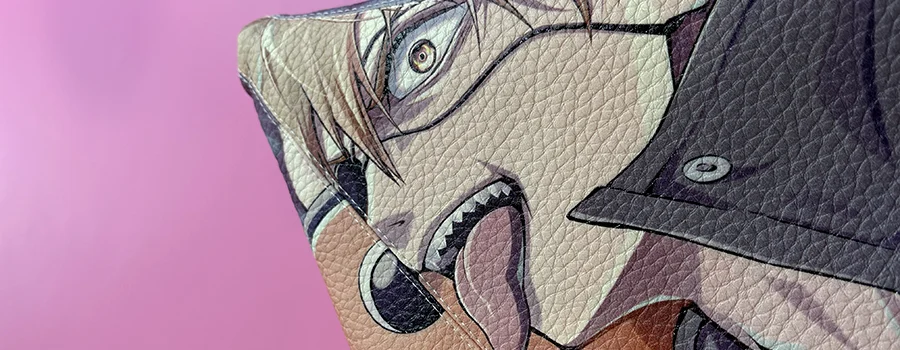
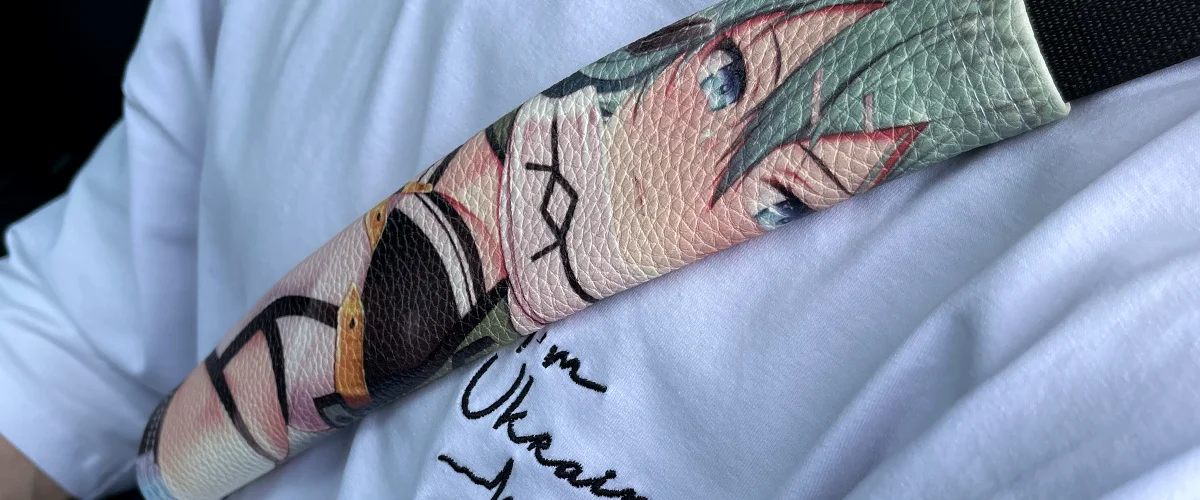
- Otaku often collect various items related to their favorite anime, manga, or video game series. These collectibles can include figures, posters, vinyl stickers and other merchandise featuring characters from these series.
- Cosplay:
- Cosplay, short for “costume play,” is a popular activity within Otaku culture. Fans dress up as their favorite characters from anime, manga, or video games and attend conventions and events where they can showcase their meticulously handcrafted costumes. The Comic Market (Comiket), for example, is one of Japan’s largest manga conventions. It’s a significant event in the Otaku calendar, attracting hundreds of thousands of attendees.
- Globalization:
- Otaku often engage with like-minded individuals through conventions, online forums, social media, and local fan clubs. They discuss their favorite series, share fan art and fan fiction, and exchange recommendations. This globalization has allowed enthusiasts to connect and share their passions across borders.
- Diversity:
- Otaku culture is not limited to one age group or gender. People of all ages and backgrounds can be Otaku. There’s a wide variety of content within the culture, catering to different interests.
- Influence on Japanese Pop Culture:
- Otaku culture has had a significant impact on Japanese pop culture, contributing to the global popularity of anime and manga. It has also influenced fashion, music, and entertainment in Japan.
- Evolution of Subgenres:
- Otaku culture is not monolithic, and it has evolved to include various subgenres. For example, there are mecha fans (those who love giant robots in anime), idol fans (focused on idol singers and groups, often referred to virtual ones, known as vocaloids), “fury” (interested in anthropomorphic animal characters) fans, itasha (cars decorated with large printed vinyls with anime characters) fans. Each fandom caters to different interests and preferences.
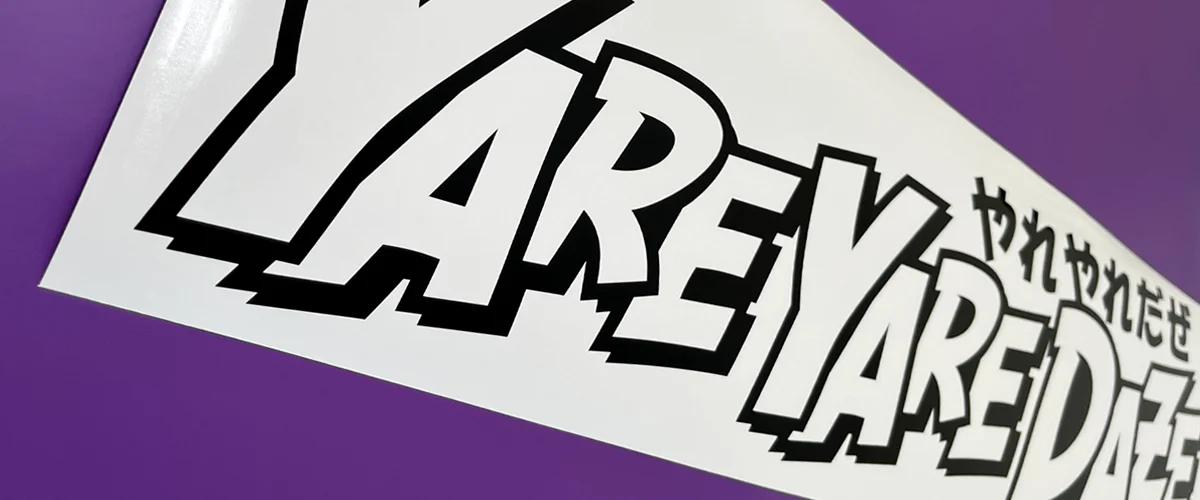
Car Stickers in Otaku Culture
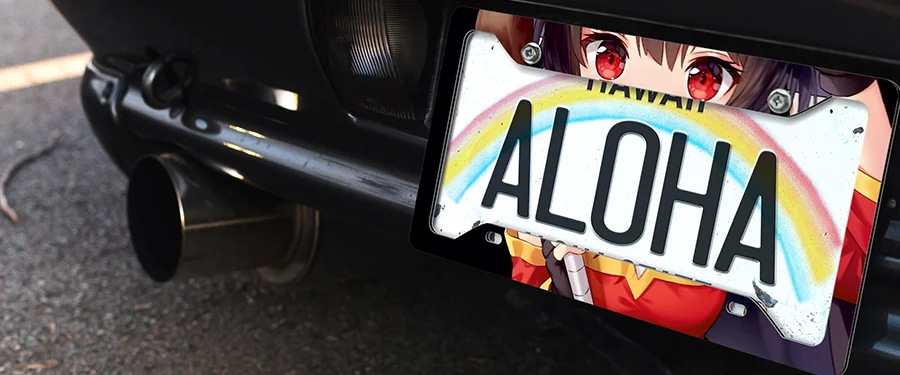
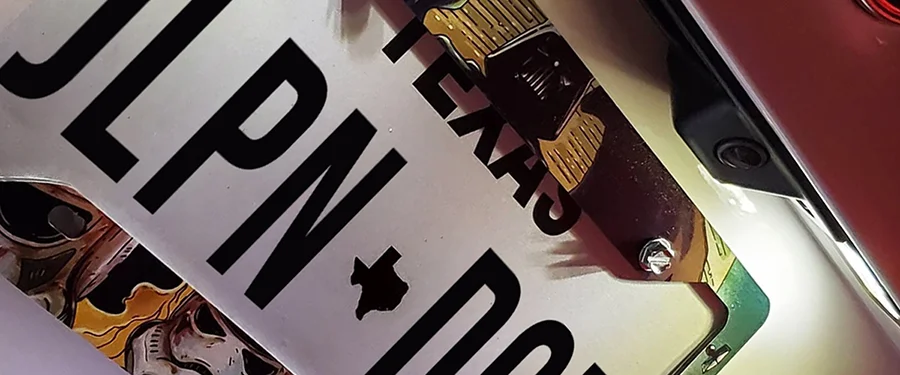
Car decals are a unique and relatively recent phenomenon within Otaku culture. Fans of anime, manga, and video games have found a new way to express their devotion by decorating their cars with vibrant and unique vinyl decals, often featuring their favorite characters, symbols, or slogans from their beloved series. For example, Konoha village leaf symbol, Jotaro Kujo’s legendary “Yare Yare Daze” (やれやれだぜ) catchphrase or iconic “Good For Health Bad For Education” Capsules‘ motto from Akira series. These stickers serve as a form of self-expression, turning cars into moving billboards for Otaku interests.
Remember, Otaku culture is highly personal, and your sticker choices can reflect your individuality and the aspects of the culture that resonate with you the most. Whether you prefer small peekers with most-beloved characters or want to turn your car into a themed project with full-body itahsa style vinyls, your sticker collection is a canvas to express your Otaku identity.
The future of Otaku culture is a subject of intrigue and anticipation.
The globalization of Otaku culture was already well underway, and it’s likely to continue. More international collaborations, conventions, and a broader fan base worldwide will shape the future. Localization of content and merchandise will also play a significant role in expanding the culture. Otaku culture has been criticized for some of its tendencies, but there is a growing trend towards inclusivity and diversity. An increased focus on representing a broader range of characters, themes, and creators will likely be a key aspect of the future of Otaku culture. Otaku fashion and lifestyle elements will likely continue to influence mainstream fashion trends. Cosplay-inspired clothing lines, accessories, and even home decor will likely become more widespread.
It’s essential to remember that Otaku culture is incredibly diverse and constantly evolving. As it continues to adapt to new technologies, embrace global perspectives, and respond to the changing needs and desires of fans, the future of Otaku culture will undoubtedly be both fascinating and unpredictable.
Conclusion
Otaku culture is a vibrant and dynamic subculture that has grown from its humble origins into a global phenomenon. Its roots can be traced back to the passionate fans of anime and manga, with the term “otaku” undergoing a transformation over the years. Car stickers have emerged as a unique way for enthusiasts to showcase their devotion, turning vehicles into mobile showcases of their favorite series. While it has its origins in Japan, Otaku culture’s global reach and diverse subgenres highlight its enduring appeal and ongoing evolution. Whether you consider yourself part of Otaku culture or not, there is no denying its impact on popular culture worldwide.