The Japanese Domestic Market (JDM) has been a source of fascination and inspiration for automotive enthusiasts around the world. JDM represents not only a unique automotive culture but also a distinct design philosophy that has left a lasting impact on the automotive industry. By understanding the main principles that define JDM, enthusiasts can create exclusive car projects that pay homage to this iconic automotive culture.
JDM (Japanese Domestic Market) culture and car stickers have become intertwined, forming a unique subculture within the automotive enthusiast community. In the JDM world, JDM Decals have gone from their origins in Japan to global popularity, highlighting their role in building a sense of belonging and identity among car enthusiasts.
What are JDM Cars?
The term “JDM” stands for Japanese Domestic Market, referring to vehicles and automotive components produced exclusively for the Japanese market. Over the years, JDM has evolved into a subculture that emphasizes performance, craftsmanship, and aesthetics. The essence of JDM, its historical significance, is to incorporate JDM elements into your customized automotive project, paying tribute to its heritage.
Historical Context
To understand the significance of JDM, it is essential to delve into its historical context. After World War II, Japan underwent a transformation that led to the development of a strong automotive industry. Japanese automakers like Toyota, Honda, Nissan, and Subaru began producing vehicles tailored to the specific needs and preferences of the Japanese market. These cars were often technologically advanced and emphasized efficiency and compactness.
Key Characteristics of JDM
- High-Quality Craftsmanship
- JDM vehicles are known for their meticulous craftsmanship and attention to detail. To honor this legacy, prioritize quality materials and precise assembly in your car project.
- Performance Focus
- JDM enthusiasts value performance enhancements. Consider upgrading the engine, suspension, and brakes to improve your vehicle’s performance while staying true to JDM principles.
- Aesthetics and Styling
- JDM vehicles often feature unique and iconic styling elements. Pay attention to body kits, spoilers, and wheels to capture the essence of JDM design.
- Clean and Minimalist Interiors
- JDM interiors are known for their simplicity and functionality. Use high-quality materials and minimalist design in your car’s interior to reflect this aspect of JDM culture.
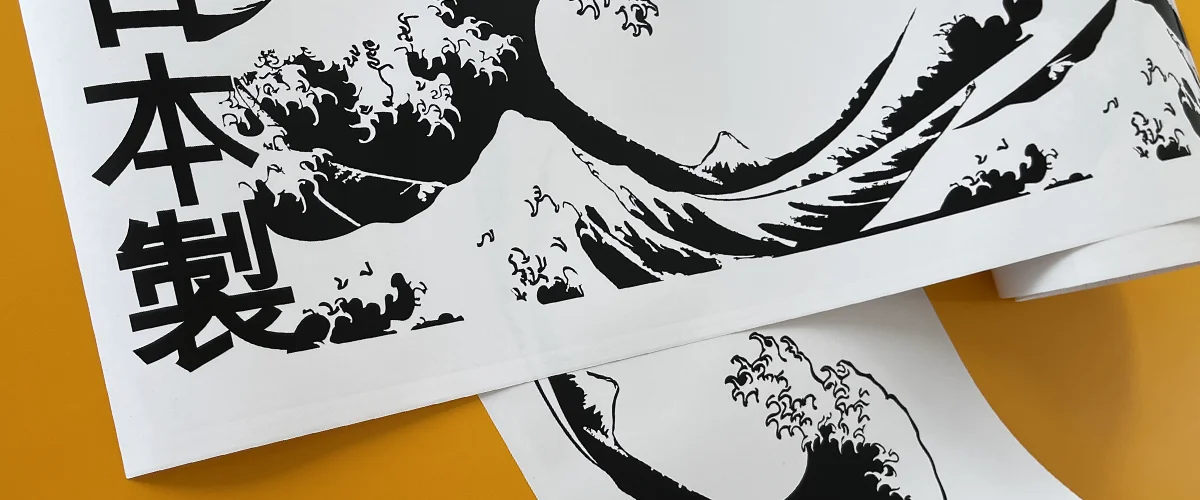
Why are JDM Cars So Popular?
JDM (Japanese Domestic Market) cars have gained immense popularity worldwide for several compelling reasons:
- Reliability and Durability:
- Japanese automakers, such as Toyota, Honda, Nissan, Subaru, and Mazda, are renowned for their commitment to quality and reliability. JDM cars have a reputation for being well-engineered, durable, and dependable, which makes them attractive to consumers seeking long-lasting vehicles.
- Performance-Oriented:
- JDM cars often prioritize performance and handling. Many iconic models, such as the Nissan GT-R, Subaru WRX, and Toyota Supra, are celebrated for their powerful engines, agile handling, and superb driving dynamics. Enthusiasts appreciate the potential for modifications to further enhance performance.
- Innovative Technology:
- Japan has a history of pioneering automotive technologies. JDM cars often feature cutting-edge innovations in safety, fuel efficiency, and engineering. This technological leadership contributes to their appeal, especially among tech-savvy consumers.
- Unique Aesthetics:
- JDM vehicles often have distinct styling cues that set them apart from their international counterparts. Sleek lines, distinctive body kits, and unique lighting configurations contribute to their aesthetic appeal. These cars are also known for their clean and functional interiors. Additional JDM decals, stickers and car accessories are used to upgrade the overall car’s appearance into a brand new level.
- Limited Availability:
- The exclusivity of JDM cars outside Japan adds to their allure. Enthusiasts appreciate owning vehicles that are rare in their region, making them unique among other vehicles.
- Cultural influence:
- JDM culture encompasses not only the cars themselves, but also the broader automotive lifestyle. This culture includes motorsports, drifting, sticker car tuning, and a passionate community of enthusiasts who celebrate everything JDM related. This subculture has helped to popularize JDM cars around the world.
- Tuning and Customization:
- JDM cars are often the canvas for extensive tuning and customization. Enthusiasts can modify engines, suspensions, exhaust systems, and aesthetics to suit their preferences, allowing for a high degree of personalization. JDM Decals play a vital role in personalizing vehicles and fostering a sense of identity.
- Iconic Models:
- JDM has produced a lot of iconic models that have left a lasting hallmark on automotive history. Cars like the Toyota AE86, Mazda RX-7, and Honda NSX have achieved legendary status and continue to captivate car enthusiasts.
- Performance Value:
- JDM cars often offer excellent performance at a reasonable price point compared to their European or American counterparts. This value proposition attracts buyers looking for a balance between performance and affordability.
- Resale Value:
- Due to their reputation for reliability and durability, JDM cars often retain their resale value well. This makes them an attractive choice for consumers who want a car that holds its worth over time.
In summary, JDM cars are popular worldwide because they combine reliability, performance, technology, unique aesthetics, and a rich cultural heritage. Their exclusivity, customization potential, and passionate enthusiast community further contribute to their widespread appeal. Whether you’re a car enthusiast or simply looking for a reliable and fun-to-drive vehicle, JDM cars offer a compelling choice.
JDM culture and car stickers have transcended geographical boundaries, becoming a global phenomenon within the automotive enthusiast community. These JDM Decals serve as a visual expression of one’s automotive passion, a testament to cultural influence, and a means of forging connections within the diverse world of car enthusiasts. As the automotive world continues to evolve, the influence of JDM culture and car stickers remains a fascinating aspect of this vibrant subculture.
Conclusion
Introducing JDM elements into an automotive project is not just about adding Japanese components or styling elements. It means understanding and embracing the philosophy that has made JDM a global automotive phenomenon. By honoring JDM’s historical context, craftsmanship, performance orientation, and aesthetics, you can create a custom car project that not only honors its heritage but also embodies the spirit of JDM culture. Whether you’re building a custom car, restoring a classic JDM model, or simply modifying your everyday vehicle with vinyl stickers, JDM principles will help you create a car that will be a testament to this iconic automotive culture and will attract attention.