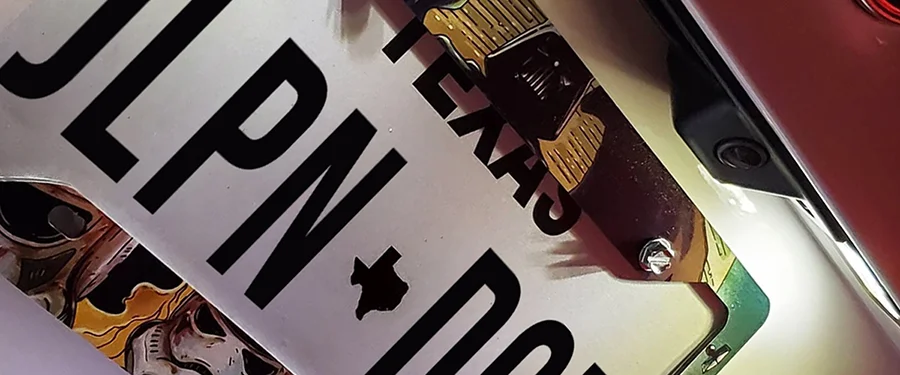
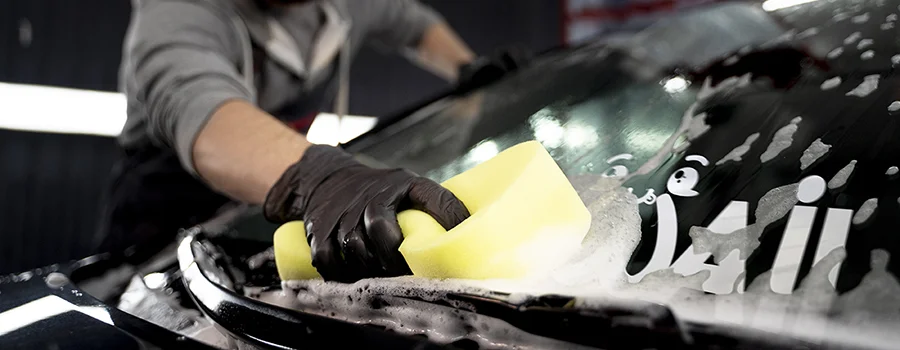
Car culture is a diverse and dynamic world where enthusiasts gather to celebrate and modify their beloved vehicles. One of the most intriguing and captivating subcultures that have left an indelible mark on this scene is the Bosozoku. Originating in Japan, the Bosozoku style emerged in the 1950s and has continued to mesmerize automotive enthusiasts worldwide. This article delves into the history, the fascinating aspects, and the influence of Bosozoku in car culture.
What is Bosozoku?
Bosozoku is a subculture that originated in Japan, primarily during the post-World War II era, and it is characterized by rebellious and non-conformist behavior, especially among young motorcycle and car enthusiasts. The term “Bosozoku” translates to “violent running tribe” or “running-out-of-control tribe” and reflects the rebellious and defiant nature of this subculture.
It’s important to note that while Bosozoku culture has left a significant mark on the history of Japanese car and motorcycle culture, it has evolved over the years. In its early days, Bosozoku groups were often associated with delinquent behavior and criminal activities. However, in more recent times, many enthusiasts have shifted their focus to more legal and less disruptive forms of car and motorcycle customization.
Bosozoku remains a notable subculture in Japan and has also influenced car and motorcycle enthusiasts worldwide. It represents a unique and colorful chapter in the broader world of automotive and youth culture.
Origins of the Bosozoku Culture
Bosozoku was coined in the 1950s and initially referred to rebellious motorcycle gangs in Japan. As post-war Japan underwent radical societal changes and economic growth, young people began to form motorcycle gangs as an act of rebellion against the establishment.
These early Bosozoku groups were known for their loud motorcycles, flamboyant clothing, and unconventional, often over-the-top modifications to their bikes. Their distinctive features included oversized exhaust pipes (known as “takeyari”), long handlebars, and stylized helmets.
Evolution of Bosozoku Style
As the Bosozoku culture evolved, its influence extended beyond motorcycles to the world of cars. Bosozoku car enthusiasts embraced many of the same principles – loud, brash, and extravagant. They started customizing their cars, often opting for extreme modifications.
Some common elements of Bosozoku car style include:
- Extended Exhaust Pipes:
- Much like their motorcycle counterparts, Bosozoku car owners fitted their vehicles with ostentatious exhaust pipes, sometimes extending several feet from the rear bumper.
- Outlandish Body Kits:
- Elaborate body kits with oversized fenders, spoilers, and distinctive designs became a hallmark of the Bosozoku style.
- Bright Colors and Decals:
- Cars were often painted in striking, vibrant colors and adorned with decals, sometimes featuring traditional Japanese motifs.
- Over-the-Top Accessories:
- From exaggerated rearview mirrors to large headlight covers, Bosozoku cars were known for their attention-grabbing add-ons.
Bosozoku Influence on Pop Culture
The Bosozoku style became a symbol of rebellion and non-conformity, making it a prominent part of Japanese pop culture in the 1970s and 1980s. It found its way into movies, manga, and music, solidifying its place in the collective imagination of the era. Bosozoku-inspired movies like “Shonben Rider” and the popular manga series “Shakotan Boogie” celebrated this unique subculture. The most vivid and canonical representatives among anime that embody all the principles and traditions of this society are Akira and Tokyo Revengers
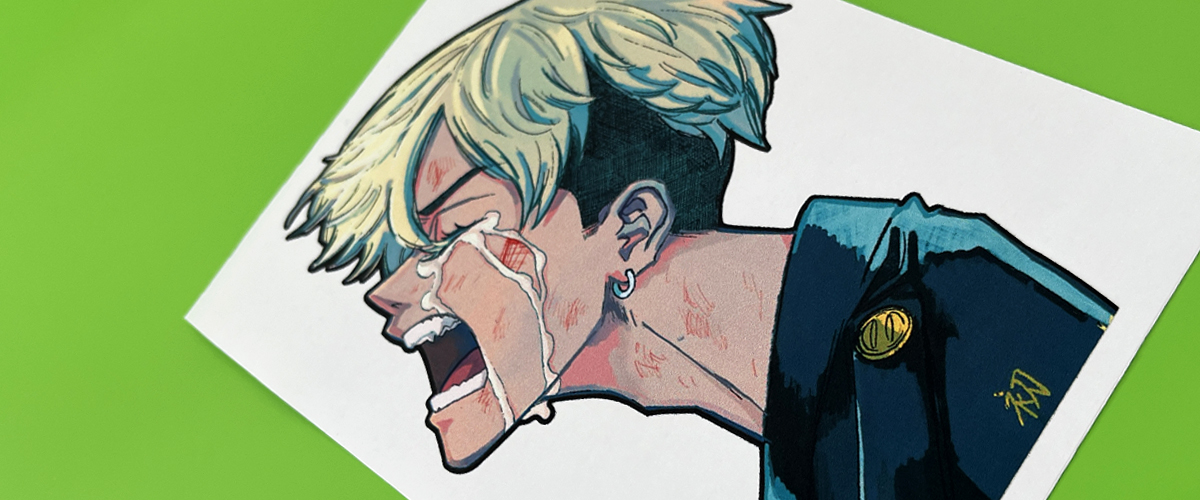
In the “Tokyo Revengers” series, Bosozoku refers to a rebellious motorcycle gang culture that emerged in Japan during the 1950s and reached its peak in the 1980s. These gangs are often known for their customized motorcycles, loud and colorful outfits, and distinctive riding style. In “Tokyo Revengers,” the protagonist, Takemichi, finds himself traveling back in time to his teenage years and becomes entangled with a violent gang known as the Tokyo Manji Gang.
The Tokyo Manji Gang, by the way, is inspired by the real-life Bosozoku culture and is depicted as a formidable and unruly group of delinquents. Their signature Bosozoku elements, such as riding motorcycles in large groups, wearing unique and flashy attire, and adhering to a strong sense of camaraderie, play a significant role in the storyline. Throughout the series, the anime explores the conflict and tensions between different gangs and their rivalries, adding to the drama and intensity of the series.

The other iconic anime and manga series inspired and mainly based on the heritage and spirit of Bosozoku is “Akira”. It is set in a dystopian, cyberpunk future in Neo-Tokyo, where motorcycle gangs challenge the oppressive government and the status quo, playing a prominent role in the narrative. These motorcycles are integral to the storyline and are an important part of the overall aesthetic of the series. Kaneda’s character design and the design of his futuristic bike are obviously influenced by the showy Bosozoku style. He wears a distinctive red leather jacket adorned with various symbols and markings (like the legendary Capsule sign with “Good For Health Bad For Education” motto), which is a hallmark of Bosozoku fashion. While the urban landscapes and the neon-lit, dystopian cityscape reflect the visuals associated with the Bosozoku subculture, it goes even far beyond this influence to create a unique and complex world. The series delves into themes of power, government control, and the consequences of scientific experimentation. Definitely must have been seen.
Bosozoku in Decline
Over the years, Japanese authorities clamped down on Bosozoku activities, and societal norms began to shift. The heyday of the Bosozoku culture began to wane in the 1990s. Many former Bosozoku enthusiasts either outgrew their rebellious phase or shifted their focus to more legal and less disruptive car modifications.
International Impact
Although the Bosozoku subculture waned in Japan, its influence continued to spread worldwide. Car enthusiasts in various countries adopted elements of Bosozoku style in their own car cultures, showcasing the enduring impact of this once-rebellious movement. You can find Bosozoku-inspired cars and motorcycles at car shows and events around the world, from the United States to Europe.
Car Decals and Bosozoku Culture
Car decorating with stickers and Bosozoku culture are related through their shared emphasis on flamboyant and over-the-top vehicle customization, as well as their desire to be unique and not like others. While they are not the same, the aesthetics and the spirit of non-conformity they share have influenced each other. Here’s how they are related:
- Emphasis on Aesthetics: Both car decorating with decals and Bosozoku culture prioritize aesthetics and visual impact. In Bosozoku culture, vehicles are often adorned with bright and eye-catching paint jobs, decals, and accessories. Car decorating with decals also focuses on visual appeal, with vehicle owners using a variety of stickers and decals to personalize your ride. The goal in both cases is to create an attention-grabbing and visually striking appearance.
- Personal Expression: Both practices are a means of personal expression. Bosozoku culture was born out of a desire for young people to express their rebellion and non-conformity through their vehicles. Car owners who decorate their vehicles with stickers and decals are also expressing their individuality, interests, and personal style.
- Flamboyance and Unconventional Modifications: Both car decorating with decals and Bosozoku culture feature unconventional modifications. Bosozoku enthusiasts are known for extravagant modifications, including oversized exhaust pipes, exaggerated body kits, and oversized accessories. Car owners who use stickers similarly employ unconventional and creative designs to achieve a unique and unconventional look.
- Attention-Seeking: Both practices seek to attract attention on the road. Bosozoku enthusiasts engage in group rides or parades to showcase their customized vehicles and create a spectacle. Similarly, cars decorated with decals are often designed to draw the eyes of onlookers and other drivers.
- Influence and Cross-Pollination: The Bosozoku culture, which originated in Japan, has had an influence on car customization trends worldwide, including the use of stickers and decals. Car enthusiasts in different parts of the world have embraced elements of Bosozoku aesthetics and incorporated them into their own vehicle customization practices. This influence has led to a blending of styles and ideas, resulting in unique and hybrid forms of vehicle decoration.
While there are similarities between car decorating with stickers and Bosozoku culture, it’s essential to recognize that they are distinct practices with their own histories and subcultures. Car decorating with decals is a more widespread and diverse phenomenon, while Bosozoku culture is a specific subculture with its own unique history, customs, and values. However, the emphasis on customization, personal expression, and visual impact connects these two aspects of car culture and has contributed to their mutual influence on the automotive world.
Conclusion
The Bosozoku culture is a captivating chapter in the history of car culture. It emerged from the rebellious spirit of post-war Japan and evolved into an exuberant and iconic style. While it may have faded in its home country, its influence on car culture around the world remains undeniable. The Bosozoku movement stands as a testament to the enduring appeal of car customization and the power of subcultures to leave a lasting imprint on the automotive landscape. In an ever-evolving world of automotive enthusiasm, the legacy of the Bosozoku continues to burn brightly.